Data on the server
Central storage and backups; access stays consistent when workstations are replaced.
Portals, employee areas, CRM and ERP integrations: we design, build, and maintain.
Stack: Laravel and Go on the backend, React on the frontend. Tasks and deadlines in Notion; weekly reports and invoicing as agreed.
Infrastructure and hosting are sized for your load and budget.
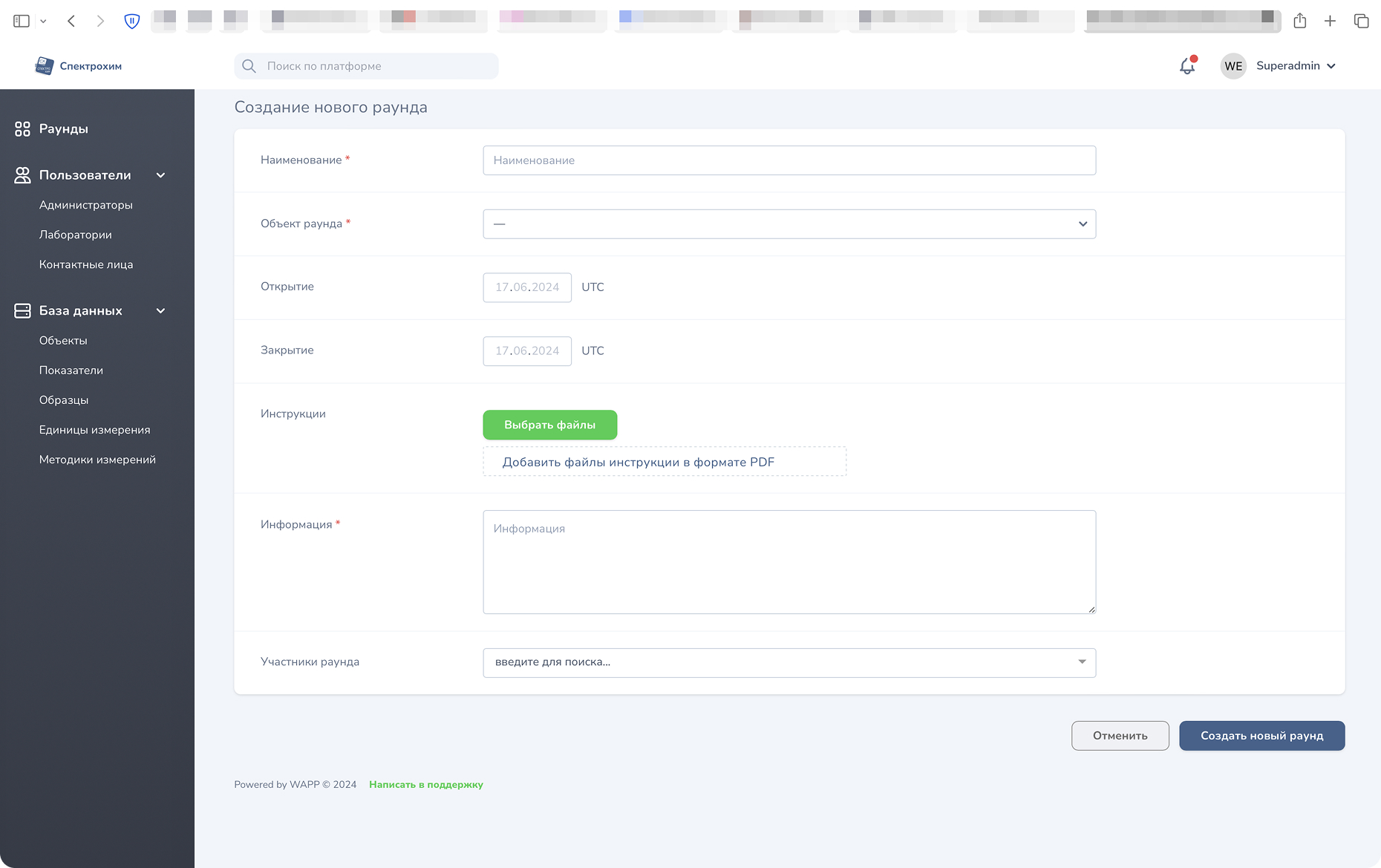
Data and logic stay on the server; the UI runs in the browser — no OS lock‑in on workstations.
Central storage and backups; access stays consistent when workstations are replaced.
The same browser UI on macOS, Windows, and Linux — office or remote.
Server and client changes roll out without installing new versions on each PC.
Heavy work runs on the backend; workstation requirements are lower than for thick clients.
New locations and users only need a browser and an account — no per‑machine deployment.
Roles, audit logs, and policies are enforced at the app and server level.
Examples: rail freight, delivery fleet management, coworking booking — each with a web UI and backend.
RailMarket is a railway freight operator. We built an app that automates creation and search of freight requests, so operators and shippers can close deals online.
We designed a resident portal for SWAPPZ in the UAE, plus apps for couriers and technicians. Delivery services can scale their fleet directly from the admin panel.
We built a booking management system for a coworking space to improve service quality and increase revenue.
We create a project space in Notion and track tasks, deadlines and responsibilities there. You always have full access to the project and see how the work is going.
Every week we send you a detailed report by email. Once a month we provide signed documents; we send scans immediately and originals by post or via e‑signing services.
Cloud web software has trade‑offs: you need a budget for development and maintenance, and you depend on connectivity and infrastructure.
It fits when several teams share one system and you need unified roles, logs, and reporting.
It is a weaker fit when offline‑first autonomy is critical or a single desktop app without shared access is enough.
We clarify processes and constraints first, then stack and architecture — to avoid unnecessary tech.
We choose tools after testing and comparison, not hype.
We join ongoing products or build from scratch — whichever makes sense.
A simple baseline scenario can be from around 90 days; complex integrations are negotiated separately.
Scope increases are covered by an addendum with a fixed price before work starts.
We document processes and flows to reduce rework and extra cost.
We help with hosting choice, environments, and release rollout.
Support, metric‑driven improvements, and product evolution under contract.
Email or call — we will respond during business hours.