Custom LMS and e-learning platform development
An LMS delivers courses, checks assignments and tracks progress. WAPP builds it around the real learning flow: an online school, corporate training or a multi-branch school, with roles, payments and reports.
What an LMS is, in plain words
LMS — learning management system
A Learning Management System stores courses, assigns them to learners, accepts assignments and tests, and tracks progress. A teacher sees who is stuck on lesson three instead of piecing it together from chats.
E-learning platform is the same class
Corporate teams say “e-learning system”, online schools say “platform” or “LMS”. The core features are the same.
When an off-the-shelf LMS is enough
If courses are standard — video, quiz, certificate — Moodle, iSpring or a course platform will do. Launch takes weeks and pricing is clear, but the process has to fit the product.
When a custom platform pays off
A custom LMS pays off when the box gets in the way: live lessons with clean audio, branches, complex pricing, 1C and CRM integration, or a platform fee that grows with revenue.
LMS modules assembled for the task
Modules depend on the learning format. Online schools need payments and funnels, corporate training needs assignments and HR reports, multi-branch schools need schedules and locations.
Courses and lessons
Video, materials, homework, and lessons that unlock on schedule or after the previous one. Content rights: what can be watched and what can be downloaded.
Tests and assignment review
Auto-graded tests and manual review by a teacher. The learner sees feedback and status, the curator sees the review queue.
Role-based dashboards
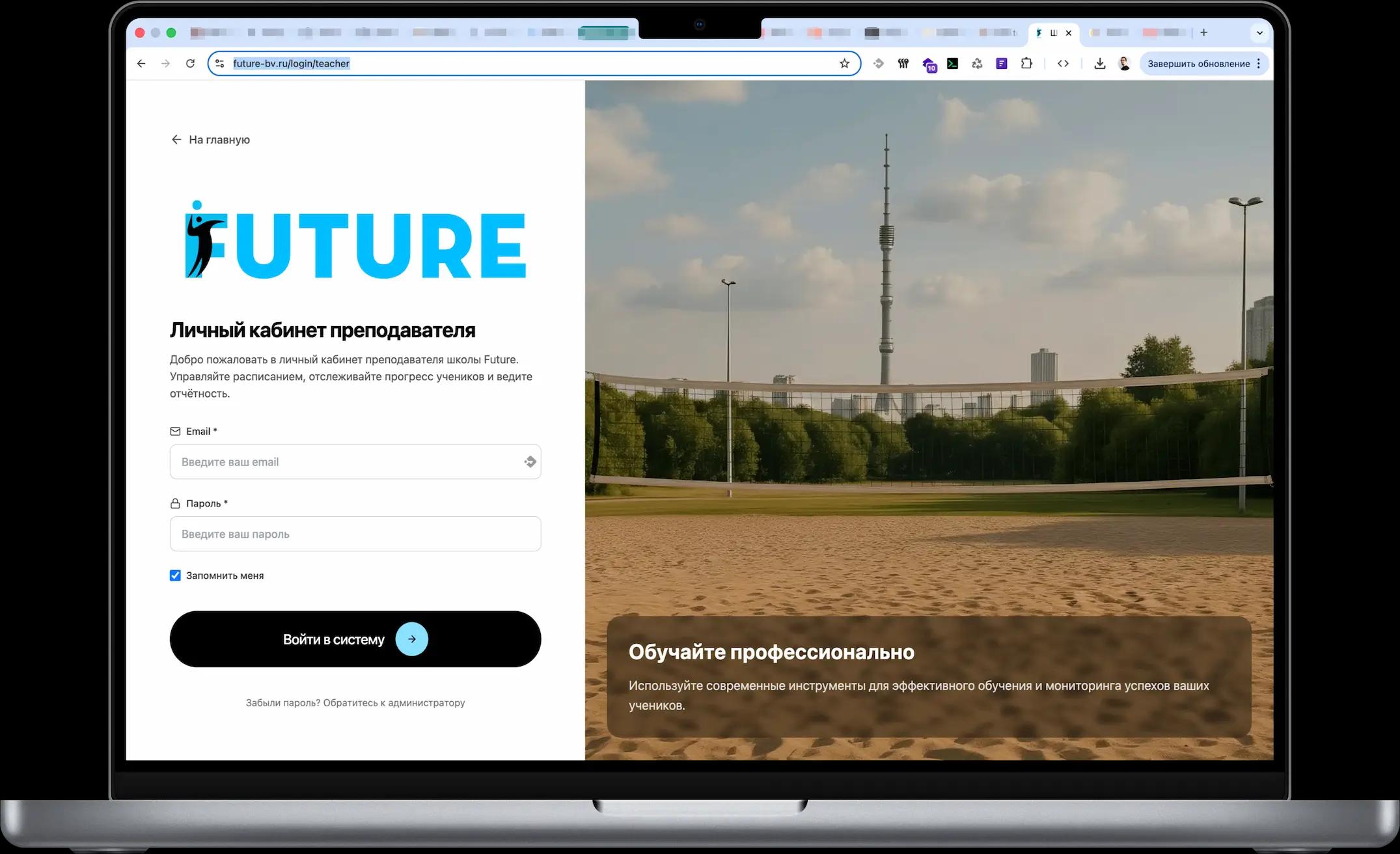
Learner, teacher, curator, parent, branch admin. Everyone sees their own schedule, progress and payments — and nothing else.
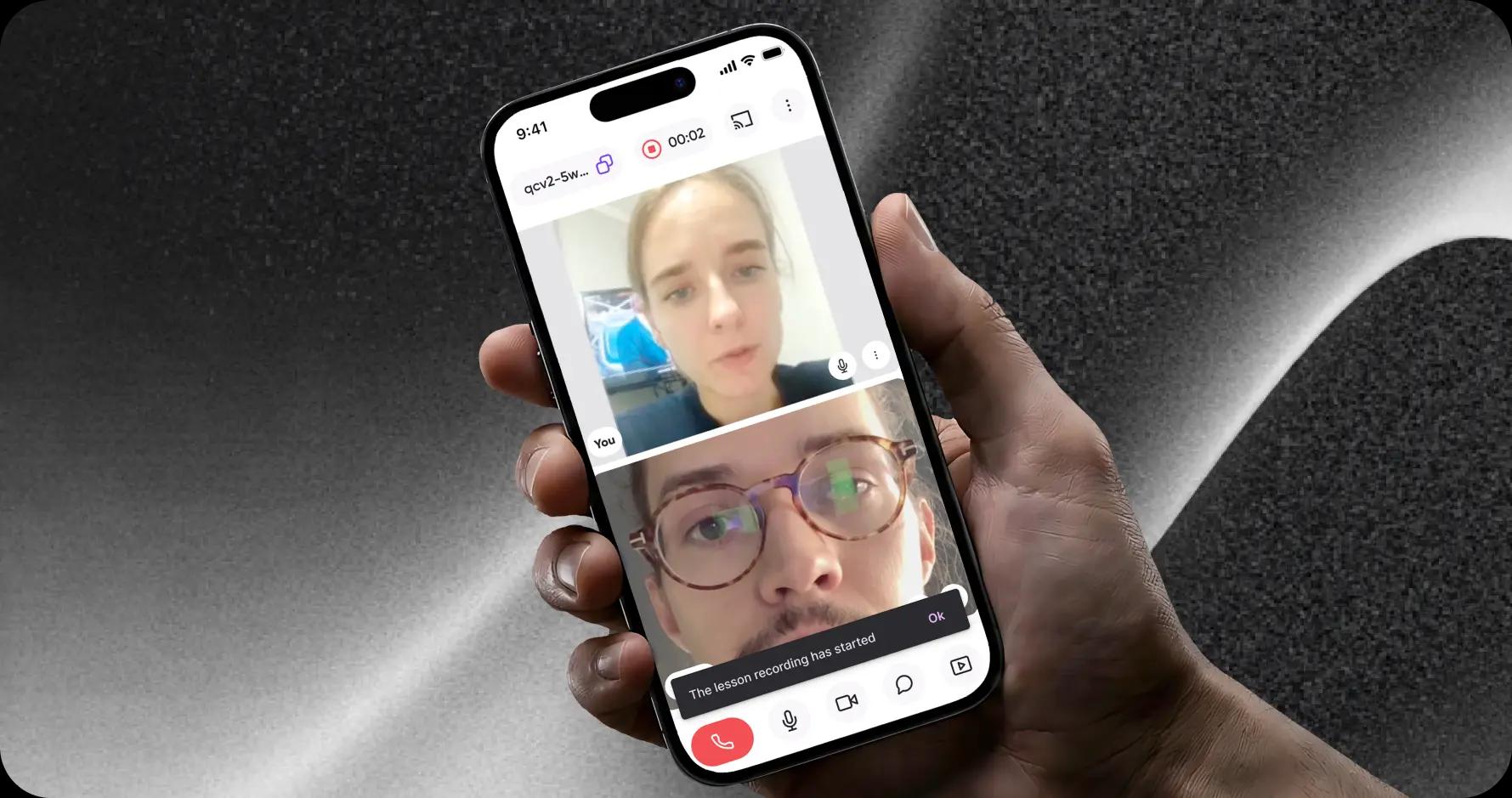
Live lessons
Lessons inside the platform, not a link to a third-party service. For music and languages audio matters: in Glinka Digital we turned off voice processing that cuts instruments.
Payments and plans
Lesson packs, subscriptions, instalments and recurring payments. Unpaid access closes automatically, without manual reconciliation.
Reports and analytics
Course completion, drop-off by lesson, revenue by branch and teacher. HR sees who has not finished mandatory training.
WAPP case studies: learning platforms
Three formats: online music lessons, an offline school with branches and a university platform.

LMS integrations with accounting, CRM and services
A learning platform rarely lives alone. Learner, payment and employee data come from other systems, so the exchange contract is defined before development.
CRM and sales funnel
A lead from ads lands in the CRM; after payment the learner gets course access automatically. Sales sees who bought but has not started.
Accounting
Payments, refunds and invoices flow into accounting without manual exports. For corporate training — the employee and department directory.
Payment providers
Recurring charges, receipts and refunds through the payment provider that fits the market.
Video and SSO
Protected video hosting and sign-in with a corporate account. Employees do not create a separate password for training.
How WAPP builds a custom LMS
- 1
Learning flow and roles
We map the learner path from sign-up to certificate and the work of teachers and admins, and mark where an off-the-shelf LMS falls short.
- 2
MVP for one format
We launch one learning format and one payment flow. The platform earns or saves hours while the team collects feedback.
- 3
Integrations and migration
We connect CRM, accounting and payments, and move learners and progress from the old platform so nobody restarts a course.
- 4
Growth and support
New branches, formats and a mobile app on the same architecture. Load monitoring ahead of cohorts and exams.
LMS questions
Off-the-shelf wins when courses are standard and the process can adapt. A custom LMS pays off with non-standard lessons, branches, complex pricing, deep integrations, or when the platform fee grows with revenue.